A redesign updates the look and content of your existing site, making it faster and cheaper for sites with solid technical foundations. A rebuild replaces everything from the ground up, costing more upfront but saving money long-term when your platform is outdated, slow, or hard to maintain. Choose based on your site's technical health, business goals, and growth plans.
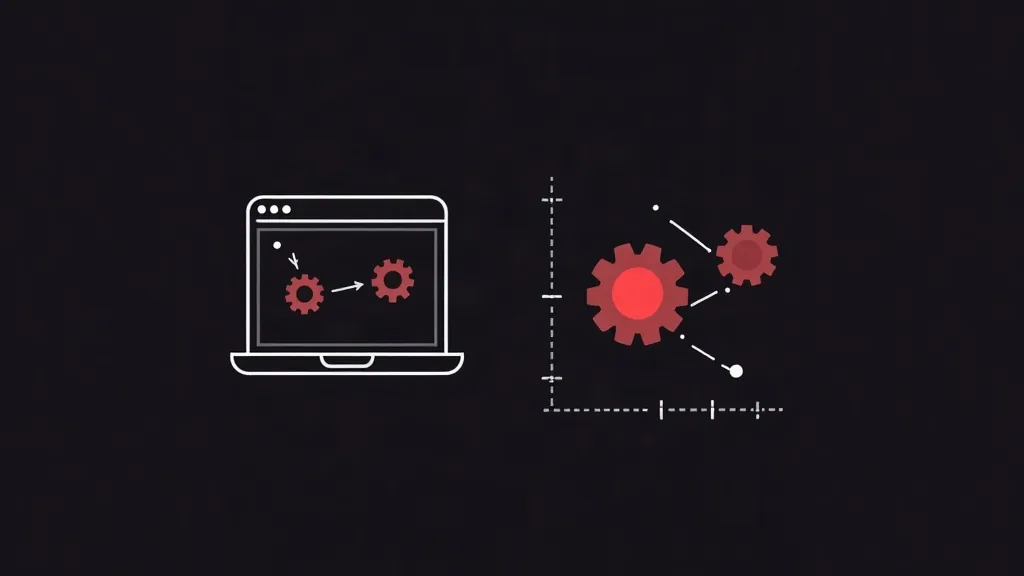
When your website starts feeling outdated, slow, or out of step with your business, you face an important decision: do you redesign what you already have, or rebuild it from scratch? These two paths sound similar, but they involve very different amounts of time, money, and disruption. Choosing the wrong one can waste your budget or leave you stuck with a site that still holds your business back.
This guide breaks down the practical differences between a website rebuild and a redesign, what each really costs, and how to decide which option protects both your timeline and your budget.
Understanding the Difference Between Rebuild and Redesign
Before weighing costs, you need to be clear on what these terms actually mean, because they are often used interchangeably and that leads to confusion.
A website redesign focuses on the surface and structure of your existing site. You keep the underlying platform and technology, but you update the visual design, layout, content, navigation, and user experience. Think of it like renovating a house: the foundation and framing stay in place while you modernize the rooms, finishes, and flow.
A website rebuild replaces the entire foundation. You migrate to a new platform, rewrite the code, restructure the database, and often reorganize how content is managed. It is closer to demolishing a house and constructing a new one on the same lot. Everything is built fresh, which gives you a clean slate but demands more resources.
The key insight is that a redesign changes how your site looks and feels, while a rebuild changes how your site works underneath. Many projects blend the two, but understanding which side dominates your project determines the time and money involved.
When a Redesign Is the Smarter, Cheaper Choice
A redesign is usually the faster and more affordable route, so it should be your default consideration unless clear reasons push you toward a rebuild.
A redesign makes sense when:
- Your platform is still healthy. If your site runs on a modern, well-supported system that loads quickly and remains easy to update, there is little reason to replace it. You can layer a fresh design on top of a solid technical base.
- Your main problems are visual or strategic. Outdated aesthetics, weak messaging, poor conversion rates, or confusing navigation are usually design and content issues, not technical ones. These respond well to a redesign.
- You need results quickly. Because you preserve the existing infrastructure, a redesign typically takes weeks rather than months, letting you launch improvements sooner.
- Your budget is limited. Redesigns generally cost significantly less than full rebuilds because you avoid the heavy lifting of new development and data migration.
The risk with a redesign is applying it to a site that is fundamentally broken underneath. If your technology is unstable, applying a fresh coat of paint only hides deeper problems that will resurface later, often at a worse time and higher cost.
When a Rebuild Saves You Money in the Long Run
A rebuild costs more upfront, but there are situations where trying to preserve an old site actually wastes more money than starting over.
Consider a rebuild when:
- Your platform is outdated or unsupported. If your site runs on old technology that no longer receives security updates or is difficult to find developers for, every future change becomes slower and riskier. A rebuild eliminates that ongoing tax.
- Performance problems are baked into the code. Some sites are slow because of bloated, poorly structured code that no amount of design work can fix. Rebuilding lets you optimize speed from the ground up, which improves both user experience and search rankings.
- Maintenance costs keep climbing. When small updates require expensive workarounds or break other parts of the site, your maintenance bills quietly drain your budget. A modern rebuild often pays for itself by reducing these recurring costs.
- Your business has outgrown the site. If you need new functionality such as e-commerce, integrations with other tools, multi-language support, or advanced automation, a dated foundation may not support them. Forcing these onto an old system is more expensive than building for them properly.
- Security is a concern. Aging platforms are prime targets for attacks. A rebuild on secure, up-to-date technology reduces your exposure and the potential cost of a breach.
The long-term math matters here. A rebuild might cost more this year, but if it cuts your maintenance expenses, prevents lost sales from a slow site, and supports your growth for years, it is the more economical choice over time.
Comparing the Real Costs of Time and Money
To make a confident decision, look beyond the initial price tag and evaluate the full picture across four dimensions.
Upfront cost. A redesign is almost always cheaper to start because it reuses your existing platform. A rebuild requires new development, testing, and migration, which raises the initial investment.
Timeline. Redesigns can often be completed in a matter of weeks. Rebuilds take longer because every component is created new and thoroughly tested before launch. If speed to market is critical, this difference is significant.
Ongoing costs. This is where the comparison often flips. A redesign on a struggling platform may keep your high maintenance bills intact, while a rebuild on modern technology can dramatically lower those recurring costs. Always factor in what you will spend over the next three years, not just the launch.
Risk and disruption. Rebuilds carry more risk during the transition, including the need to migrate content, preserve search rankings, and set up redirects carefully. A poorly managed migration can cause a temporary drop in traffic. Redesigns are lower risk because the underlying structure stays intact. A skilled team mitigates these risks, but you should budget time for careful planning either way.
When you compare both options honestly, the cheapest choice on day one is not always the cheapest choice by year three.
How to Decide Which Path Fits Your Business
With the differences clear, you can now match the right approach to your specific situation. Ask yourself these questions:
- Is my current platform modern and reliable? If yes, lean toward a redesign. If it is outdated or unsupported, a rebuild is likely worth it.
- Are my problems mostly visual and strategic, or technical? Surface issues favor a redesign. Deep performance, security, or functionality problems favor a rebuild.
- What do I need my website to do in the next two to three years? If your goals require capabilities your current site cannot support, invest in a rebuild now rather than paying twice later.
- What is my tolerance for upfront cost versus ongoing cost? If you need to minimize spending today and your foundation is sound, redesign. If you want to reduce long-term expenses and eliminate recurring headaches, rebuild.
- How much traffic and revenue depend on my site? The higher the stakes, the more important it is to invest in a foundation that will not fail you, which often points toward a rebuild.
If you still feel uncertain, a professional website audit can settle the question. An experienced team can assess your site's technical health, identify what is truly holding you back, and recommend the option that delivers the best return. Sometimes the audit reveals that a targeted redesign will solve everything you need. Other times it confirms that a rebuild is the only way to reach your goals without wasting money on temporary fixes.
Conclusion
There is no universal answer to the rebuild versus redesign question, because the right choice depends entirely on the condition of your current site and where you want your business to go. As a general rule, choose a redesign when your foundation is solid and your challenges are about appearance, messaging, or user experience, since it saves time and money in the short term. Choose a rebuild when your platform is outdated, slow, insecure, or unable to support your growth, because starting fresh saves more money over the long run and protects you from mounting maintenance costs.
The smartest decision comes from looking beyond the initial price and considering the total cost over several years, along with the value a strong website brings to your business. If you want expert guidance on which path fits your situation, the team at Beeglantee can audit your current site and map out the most cost-effective route to a website that works as hard as you do.